
Why You’re Still Tired After “Self-Care”
You’ve rested.
You’ve taken the break.
You’ve done the bath, the vacation, the quiet morning.
And yet… your soul still feels heavy.
That’s because self-care can soothe the body, but only soul care heals the inner life.
Soul care is not about escape.
It’s about engagement—with God, with your emotions, and with your inner world.
And many believers were never taught how to do that.
What Is Soul Care?
Soul care is the intentional practice of tending to your emotional, spiritual, and inner life with God.
It goes deeper than rest.
Deeper than routines.
Deeper than productivity recovery.
“Above all else, guard your heart, for everything you do flows from it.” — Proverbs 4:23
Biblically, the soul represents the mind, will, and emotions.
Soul care is the discipline of paying attention to those areas—not ignoring them in the name of faith.
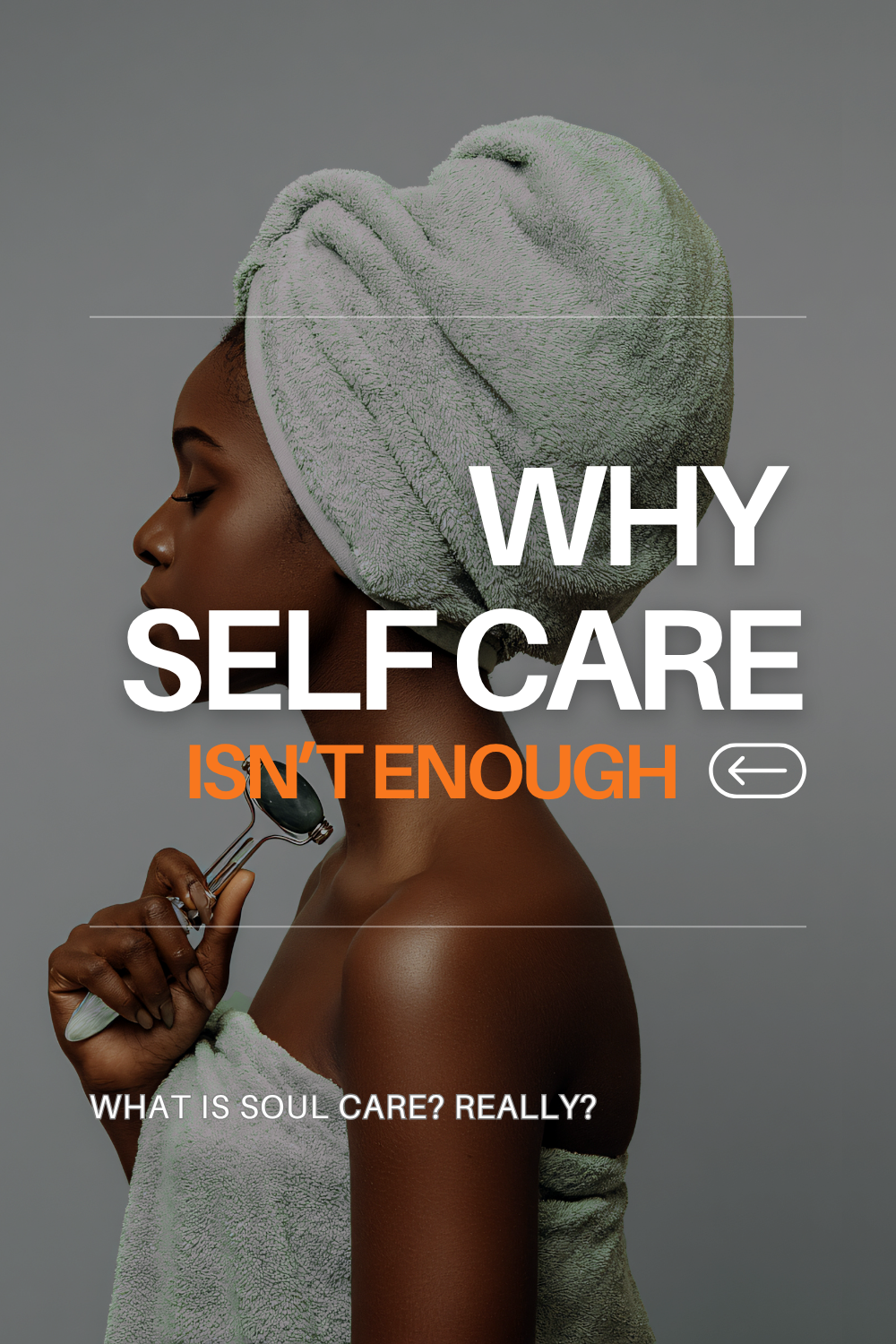
Self-Care vs Soul Care: What’s the Difference?
| Self-Care | Soul Care |
| Focuses on relief | Focuses on healing |
| Addresses symptoms | Addresses root issues |
| External practices | Internal processing |
| Temporary calm | Sustainable peace |
| Often done alone | Done with God |
Self-care asks: How do I feel better?
Soul care asks: What is my soul trying to tell me—and what is God healing?
Why Believers Struggle With Soul Care
Many Christians were taught:
- Feelings are distractions
- Emotions mean weakness
- Rest must be earned
- Processing pain = lack of faith
But Scripture tells a different story.
Jesus wept.
David journaled.
Jeremiah lamented.
The Psalms are emotional processing in real time.
Soul care is not unspiritual. It is deeply biblical.
Signs Your Soul Needs Care
You may need soul care if:
- You’re spiritually active but emotionally exhausted
- You avoid silence because your thoughts feel loud
- You’re productive but disconnected
- You feel guilty resting
- You pray but don’t process
These are not signs of failure.
They are invitations to healing.
What Soul Care Looks Like in Practice
Soul care is gentle, intentional, and consistent.
Examples include:
- Journaling honestly with God
- Naming emotions instead of suppressing them
- Sitting in stillness without performance
- Reflecting on Scripture emotionally, not just intellectually
- Creating rhythms of rest
This is where SereniTea Journal was born—because healing needs space.
A Simple Soul Care Rhythm (SereniTea Style ☕)
- Sip – Slow your body (tea, breath, stillness)
- Name – What are you actually feeling?
- Listen – What is God highlighting?
- Release – Write it out without editing
- Rest – Let peace steep
Soul care is not rushed.
Healing needs time to steep.
Journaling Prompt
What has my soul been trying to say that I haven’t slowed down enough to hear?
(You’ll find guided prompts like this throughout the SereniTea Journal.)
Why Soul Care Leads to Spiritual Maturity
You cannot mature spiritually while neglecting your emotional life.
Unprocessed emotions:
- Distort discernment
- Fuel burnout
- Create cycles of offense
- Block peace
Soul care creates:
- Emotional clarity
- Deeper intimacy with God
- Sustainable obedience
- True rest
Pause with Me
Take 2 minutes to write:
What emotion surfaced while reading this, and what might God be inviting me to notice?
Receive Soul Care GLOW Guide for Emotional Rest
5 Powerful Practices for Daily Renewal
A Transformational Mini-Guide to Nourish Your Faith & Emotions
💌Grace Notes
Soul care is not trendy.
It’s not soft.
It’s necessary.
If you want a steady soul, a clear heart, and a faith that doesn’t collapse under pressure—you must tend to your inner life.
✨ Pull up a chair. Sip slowly. God is already there.